
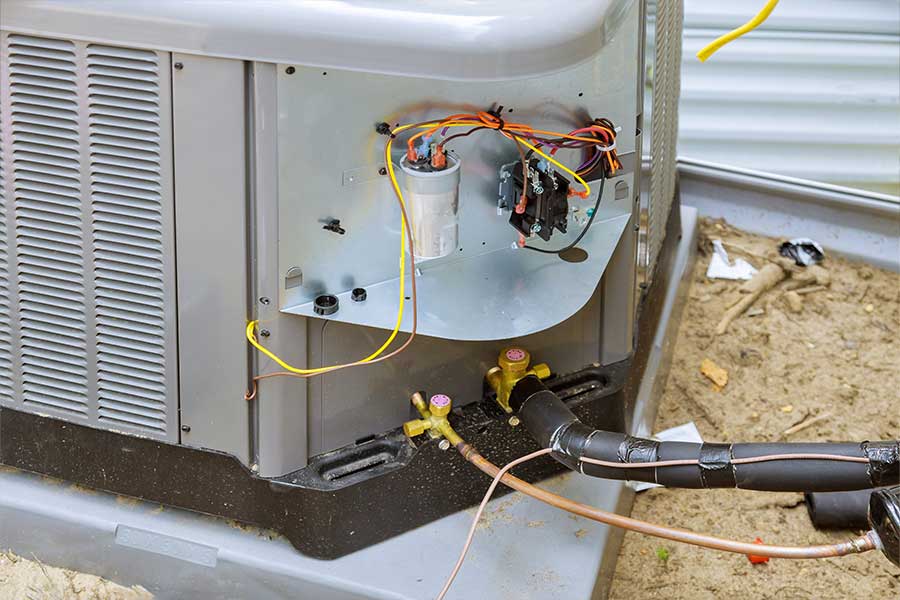
If you have flipped on your air conditioner during a sticky Fairfield summer only to feel warm air coming through the vents, you already know how frustrating that moment is. Between the humidity rolling in off the Passaic River and the heat that settles over neighborhoods near Two Bridges Road, a properly working AC is not a luxury here. It is a necessity. In our service calls throughout Fairfield, warm air complaints are one of the most common reasons homeowners reach out to us, and the causes range from simple to serious.
Key Points
- Warm airflow usually points to a refrigerant, airflow, or electrical issue
- Some causes are minor, but others can shorten your system’s lifespan if ignored
- A professional diagnosis prevents guesswork and unnecessary part replacement
Low Refrigerant Levels
Refrigerant is the substance responsible for actually cooling the air that moves through your ductwork. When levels drop due to a leak, your system loses its ability to pull heat out of the air effectively. This is one of the most frequent issues we find when working in homes across Fairfield, especially in older units that have not had a refrigerant check in several seasons. A trained technician can pinpoint the leak location, repair it, and recharge the system to the manufacturer’s specification. Simply adding refrigerant without finding the leak is a temporary fix at best.
A Dirty or Frozen Evaporator Coil
The evaporator coil absorbs heat from the air inside your home. When it becomes coated in dust or grime, or when it freezes over due to restricted airflow, it cannot do its job properly. Homes near the Fairfield Business Campus and surrounding office parks often run their systems long hours during the workday, which can accelerate coil buildup if filters are not changed on schedule. A frozen coil is often a sign of a deeper airflow problem rather than the root cause itself.
Airflow Restrictions
A clogged air filter, blocked return vent, or failing blower motor can all restrict the volume of air moving across the coil. Based on what we see in Fairfield properties, this is especially common in homes with finished basements or additions where ductwork was extended without adjusting for the added distance. Reduced airflow means less heat exchange, and the air reaching your vents will feel noticeably warmer than it should.
Compressor Problems
The compressor is the heart of your air conditioning system. It circulates refrigerant between the indoor and outdoor units, and when it begins to fail, cooling capacity drops sharply. Compressor issues tend to show up gradually at first, with slightly warmer air, before progressing to a complete lack of cooling. Because compressors are one of the more expensive components to replace, catching early warning signs matters. Homeowners along Hollywood Avenue and other established Fairfield neighborhoods with units older than ten to twelve years should keep a closer eye on performance changes year over year.
Thermostat or Electrical Issues
Occasionally, the problem has nothing to do with the cooling components at all. A miscalibrated thermostat, a tripped breaker, or a wiring issue can all cause a system to run without actually cooling. This is one of the quicker fixes once identified, but it can be easy to overlook if you assume the issue is mechanical.
Ductwork Leaks
Fairfield’s mix of older homes and newer construction near Route 46 means ductwork conditions vary widely from property to property. Leaky ducts allow cooled air to escape into attics, crawl spaces, or wall cavities before it ever reaches your living space. If one room consistently feels warmer than others, duct leakage is worth investigating.
Why Professional Diagnosis Matters
Warm air from your vents can stem from several different systems working together, or failing together. Attempting to diagnose the issue without proper tools often leads to replacing parts that were never the problem in the first place. A full system evaluation, including refrigerant pressure testing, electrical checks, and airflow measurement, gives you an accurate picture of what is actually happening inside your unit.
What to Do Next
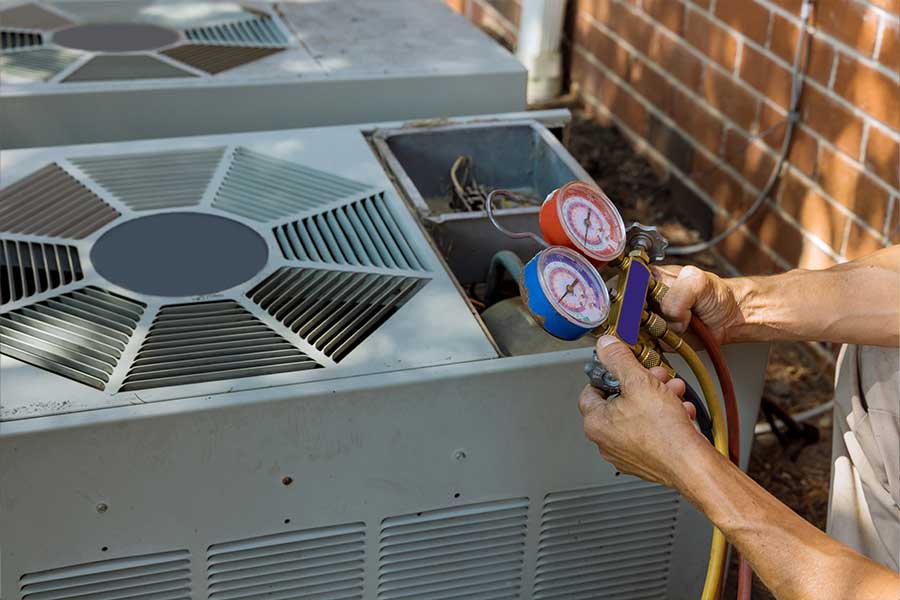
If your AC is blowing warm air, avoid running the system continuously while troubleshooting on your own, as this can put additional strain on a struggling compressor. Instead, schedule a diagnostic visit so the actual cause can be identified and addressed correctly the first time. Fairfield summers do not leave much room for a cooling system that is not performing at full capacity, and catching the issue early is almost always less costly than waiting until the system fails completely.