Every furnace makes some sound as it cycles on and off, but there is a clear difference between the everyday hum of normal operation and the kind of noise that signals a developing problem. Fairfield winters, especially when a nor’easter rolls through and temperatures drop hard along the Passaic River valley, are not the time to discover your furnace is struggling. In our service calls throughout Fairfield, homeowners often describe the exact sound they are hearing, and that description alone can tell us a lot about what is going on inside the unit before we even arrive.
Key Points
- Some furnace sounds are a normal part of startup and shutdown cycles
- Rattling, screeching, or booming noises usually indicate a mechanical issue
- Ignoring unusual sounds can lead to bigger repairs or a full breakdown mid-winter
Normal Furnace Sounds
A gentle whoosh as the burners ignite, a low hum from the blower motor, and a soft click when the system starts or stops are all typical. Ductwork also naturally expands and contracts as air temperature changes, which can create a faint popping or ticking sound. These noises are part of a healthy system and are not something to worry about on their own.
Banging or Booming
A loud bang, particularly right when the furnace starts, usually points to delayed ignition. This happens when gas builds up in the combustion chamber before igniting, causing a small, contained explosion rather than a smooth flame start. Working in homes across Fairfield, we see this most often in older furnaces with dirty burners or ignition components that have not been serviced in a while. This one should not be left alone, since delayed ignition can eventually crack the heat exchanger.
Screeching or Squealing
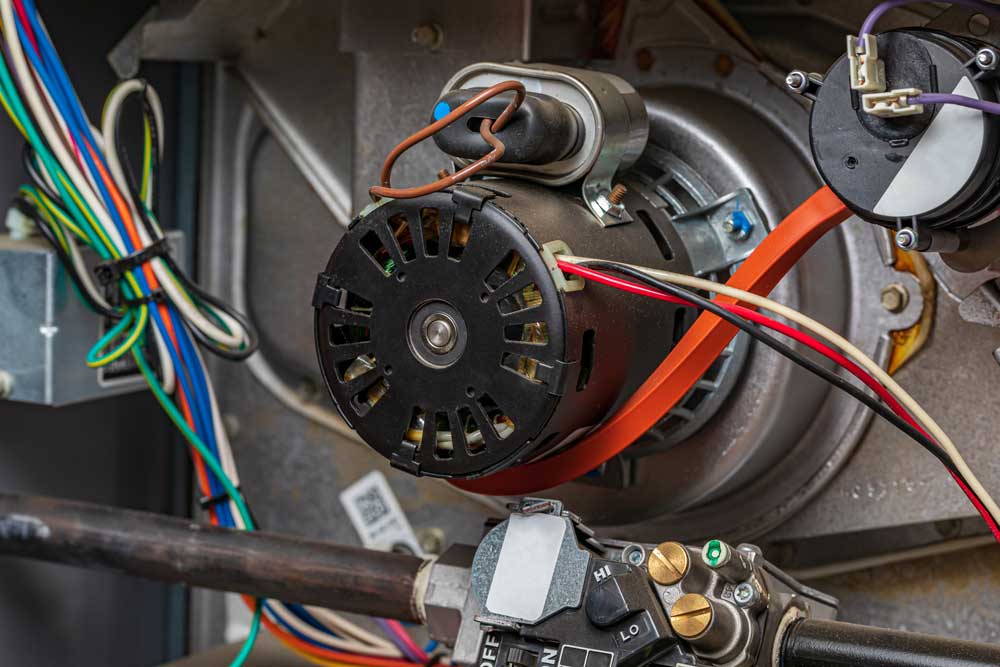
A high-pitched squeal is almost always linked to the blower motor. It could be a worn belt on older systems, or a motor bearing that is beginning to fail. This sound tends to get louder and more frequent over time rather than resolving on its own, so it is worth having a technician take a look before the motor stops working entirely, usually on the coldest night of the season.
Rattling
Loose panels, screws that have worked their way free, or debris caught inside the blower compartment are common causes of rattling. In homes near the Fairfield Business Campus, where furnaces sometimes run for extended stretches during winter workdays, we occasionally find that vibration over time has loosened components that were originally secure. A rattle is usually an easy fix, but it should still be checked, since ongoing vibration can loosen electrical connections as well.
Humming That Gets Louder
A hum that grows more noticeable over weeks or months, rather than staying constant, often points to an electrical issue such as a failing capacitor or transformer. Based on what we see in Fairfield properties, this type of gradual change is one of the easier warning signs to miss because it happens slowly enough that homeowners adjust to it without realizing something has shifted.
Clicking Without Ignition
If you hear repeated clicking but the furnace never actually fires up, this typically points to an ignition control issue, a faulty flame sensor, or a gas supply problem. This is not a sound to wait out. A furnace that cannot successfully ignite will eventually stop trying altogether, often overnight, when temperatures near Two Bridges Road and surrounding low-lying areas tend to drop the fastest.
Why It Matters to Address These Early
A furnace under stress does not usually fail without warning. The noises described above are the system’s way of signaling that something is off before a full breakdown occurs. Addressing these early, while the fix is often minor, is far less disruptive than dealing with a complete furnace failure during a January cold snap.
What to Do Next
If your furnace is making a sound you have not heard before, pay attention to when it happens, whether it is at startup, shutdown, or throughout the cycle, and how often it occurs. That information helps a technician diagnose the issue more quickly once they arrive. Fairfield winters can be unforgiving, and a furnace that is caught early is one that keeps your home comfortable through the season rather than leaving you without heat when you need it most.