



Keeping You Comfortable, Season After Season.
Family-owned
Service
Extended Warranties
Verona Park and its lake sit at the center of the borough, and the cold, damp air that settles around the water in winter carries into the surrounding streets. Much of Verona’s housing dates to the 1920s and 1930s, with Tudor Revivals and Colonials that had heating added or upgraded well after the homes were first built. J&M Cooling and Heating repairs furnaces throughout Verona with that combination of older construction and lake-driven cold in mind.
A furnace that kept up fine last winter can behave very differently a year later, and in Verona’s older homes that shift often happens gradually. A bedroom that used to warm up by evening but now stays cool well into the night, a thermostat that seems to need a higher setting every year just to feel the same, or a musty smell near the lake-facing side of the house when the furnace first kicks on are all worth paying attention to. So is a system that used to run quietly but has picked up a rattle or hum it did not have before. Waiting until the coldest week of winter to address these changes usually means a longer wait for a repair.
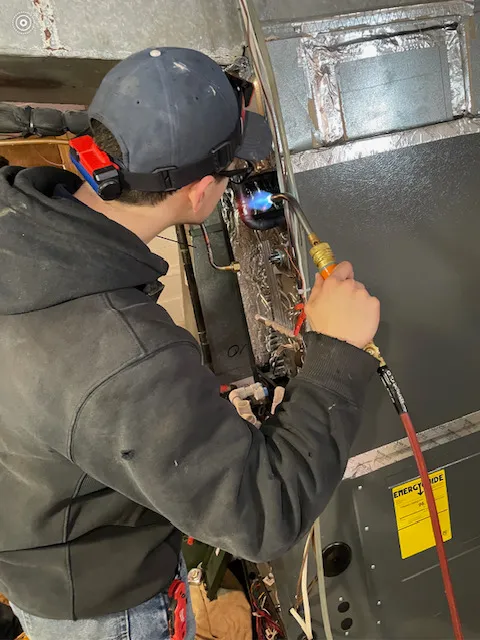
Why do so many furnace calls in Verona trace back to the same handful of issues? Proximity to Verona Park’s lake is one answer. The extra cold, damp air it creates means furnaces work harder to bring a home up to temperature than they would in a drier part of town. Why do older systems struggle more here than newer ones a few towns over? Because so many Tudor and Colonial homes had heating upgraded well after construction, ductwork sometimes runs through spaces it was never really meant for, creating cold spots that show up as uneven heating room to room. Why does timing matter so much? Because a system already working against dampness and retrofitted ductwork has less margin left before a minor issue turns into a full breakdown during the coldest stretch of winter.
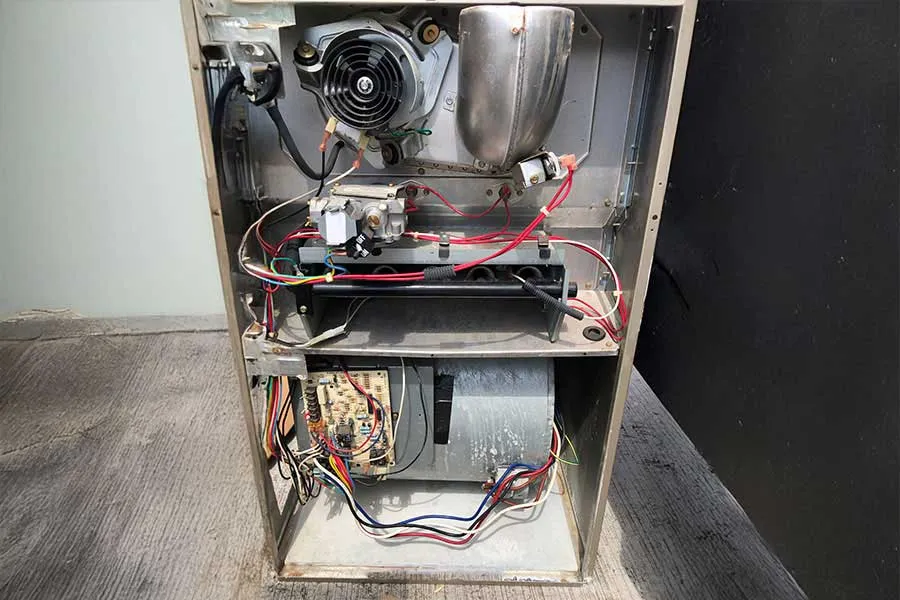
A large share of Verona’s housing predates modern forced-air heating by decades, which means most furnaces here were added or upgraded well after the house was originally built. J&M Cooling and Heating technicians are used to working with that setup, checking not just the furnace itself but how well it was integrated into an older home’s layout, insulation, and ductwork. Repairs range from replacing worn igniters and blower motors to resolving airflow issues in ducts routed through older wall cavities. We diagnose before we recommend, so a repair is only proposed once we know it will actually solve the problem you called about.
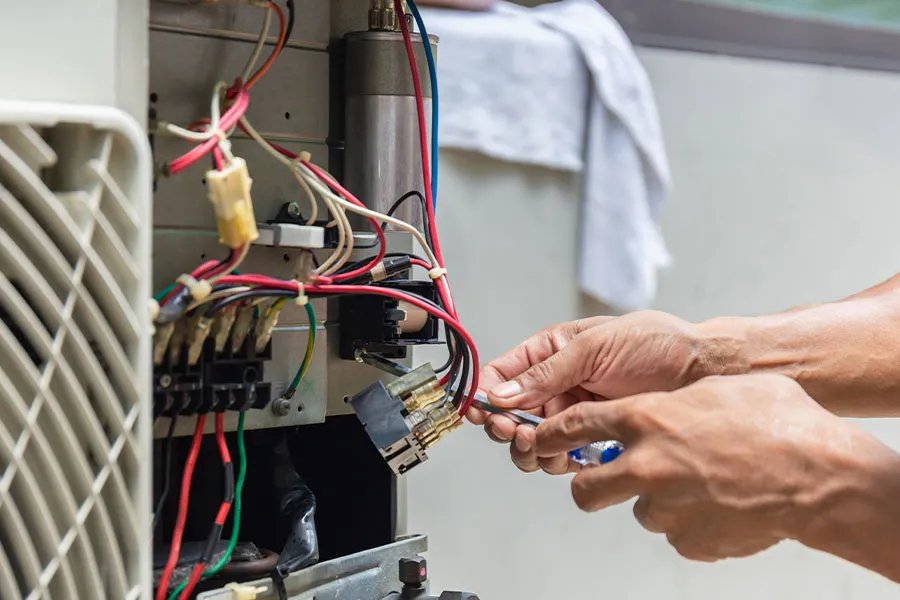
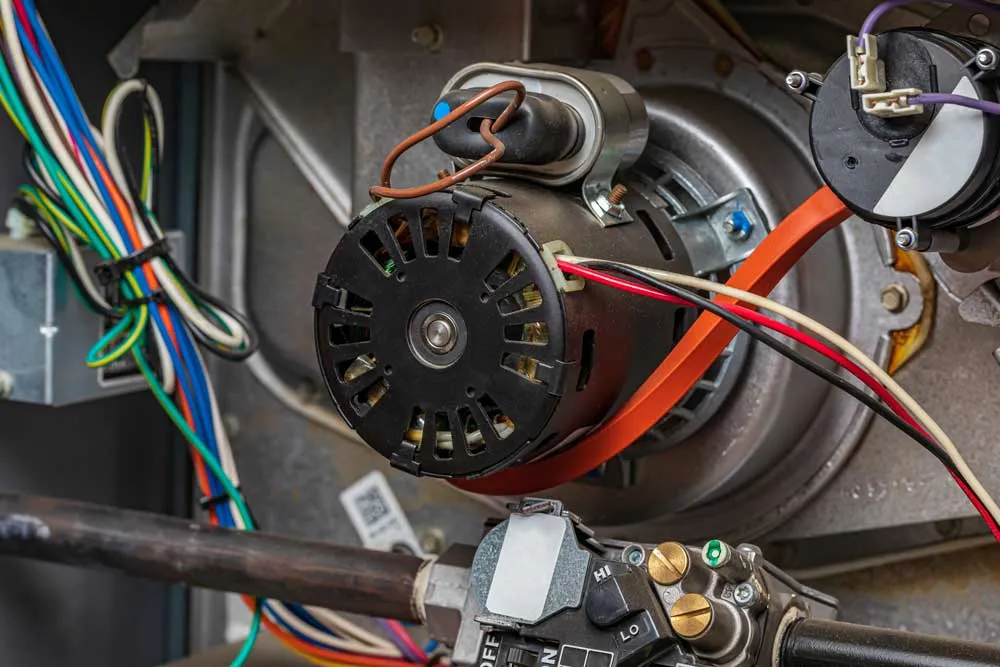
“It just can’t seem to catch up anymore,” David told our technician when he called about the furnace in his Colonial a few blocks from Verona Park. The system was running, but the second floor stayed noticeably cooler than the rest of the house, no matter how long it ran. The technician traced the issue to a duct run added when the home’s forced-air heating was installed years after the house was built, along with a blower motor that was struggling to keep up. After adjusting the duct connection and servicing the blower motor, warm air reached the second floor consistently, and David was able to keep the thermostat at a comfortable setting without the system running nonstop.
Homeowners across Verona choose J&M Cooling and Heating for a few consistent reasons: That combination is why so many repeat calls in Verona come from the same households year after year.
It can. The lake adds cold, damp air to the surrounding area, which means a heating system nearby may need to work harder to keep a home comfortable compared to a drier part of town.
Yes. Older Tudor and Colonial homes in Verona commonly had heating added or upgraded after construction, and a technician can evaluate how well the existing setup is working and make targeted repairs without needing to overhaul the whole system.
This is often related to ductwork that was added after the home was originally built, which can create uneven airflow between floors. A technician can check the duct routing and connections to see what can be improved.
Signs include a musty smell when the system starts, condensation near vents, or a house that feels damp even when the heat is running. A technician can determine whether that is part of the underlying issue.
Confirm the thermostat settings and check that the air filter is clean, since both are quick to rule out. If the system still is not performing well after that, it is worth having a technician take a closer look.