



Keeping You Comfortable, Season After Season.
Family-owned
Service
Extended Warranties
Cedar Grove sits on the western slope of the Second Watchung Mountain, and that elevation means colder overnight temperatures and steadier wind exposure than towns just down the hill. Many of the borough’s split-levels and ranches went up during the postwar building boom, with heating systems and ductwork sized for a different era of winters. J&M Cooling and Heating repairs furnaces across Cedar Grove with that ridge-top exposure in mind.
Homeowners on higher ground in Cedar Grove tend to notice furnace trouble a little differently than those lower down near Verona. A system that used to keep the house comfortable through a cold snap but now leaves rooms feeling chilly by evening is one common early sign. So is a furnace that runs almost constantly on windy nights without ever quite catching up, or a thermostat reading that does not match how a room actually feels. A burning smell when the system starts, or unusual banging and rattling from the ductwork, are both worth having checked sooner rather than later, especially in a home exposed to steady ridge winds.
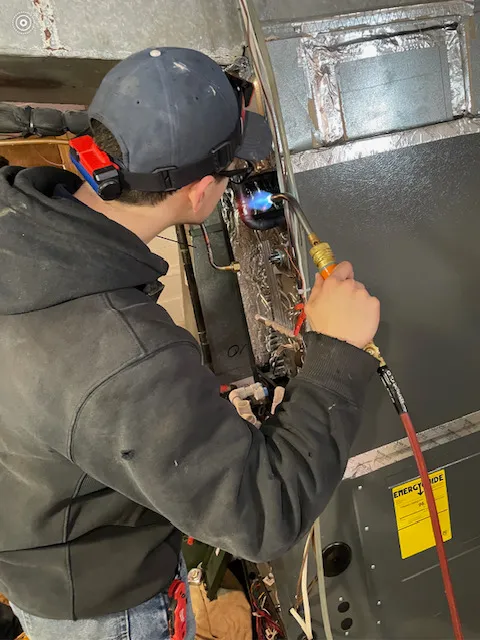
A few local factors come up again and again when we diagnose furnace problems in Cedar Grove: None of these factors are unusual by themselves, but together they explain why furnaces higher on the ridge in Cedar Grove often need attention sooner than similar systems in more sheltered spots nearby.
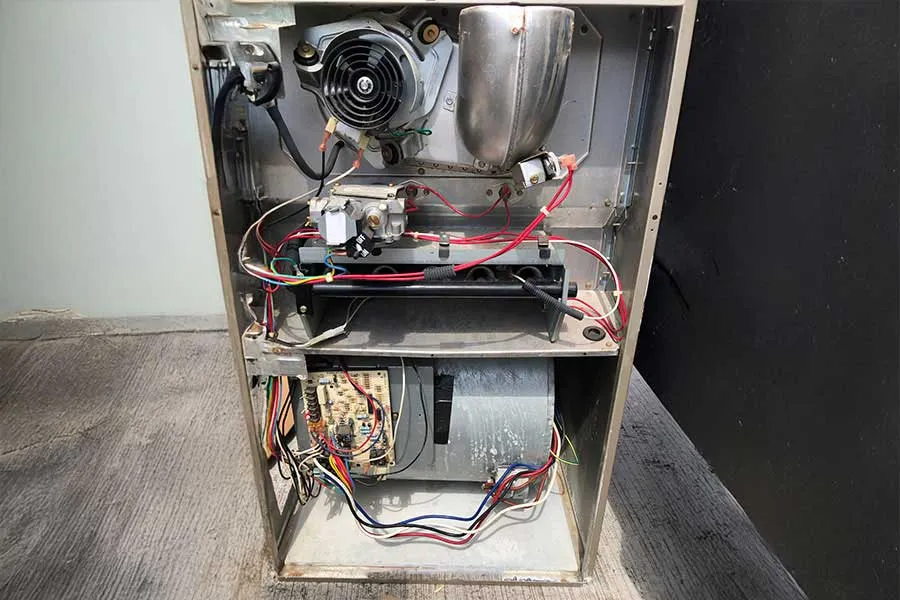
Whether your furnace was installed when your split-level went up decades ago or replaced more recently in a raised ranch near the ridge, J&M Cooling and Heating repairs the system already in your home rather than assuming a full replacement is needed. Our technicians check the igniter, blower motor, heat exchanger, and venting, since a furnace working against steady ridge wind often shows wear in different places than one in a more sheltered location. We also check duct connections and insulation around exposed runs, since homes higher on the ridge lose more heat through those points than homes lower in the valley.
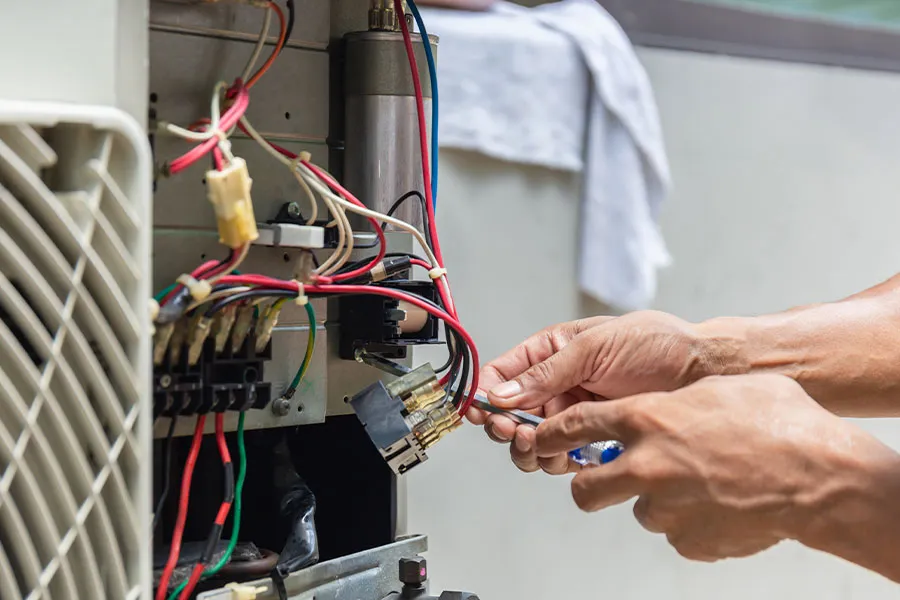
It was a bitterly cold February night when Karen noticed her bedroom upstairs never seemed to warm past a certain point, no matter how high she set the thermostat. She lives on one of Cedar Grove’s higher streets, where the wind off the ridge cuts through older windows more than in sheltered parts of town. Our technician found a cracked duct connection in the attic, losing warm air before it ever reached the bedroom, along with a furnace filter clogged enough to restrict overall airflow. After sealing the duct connection and replacing the filter, the upstairs warmed up noticeably within the hour, and Karen learned to check that filter more often, given how hard the system works through a Cedar Grove winter.
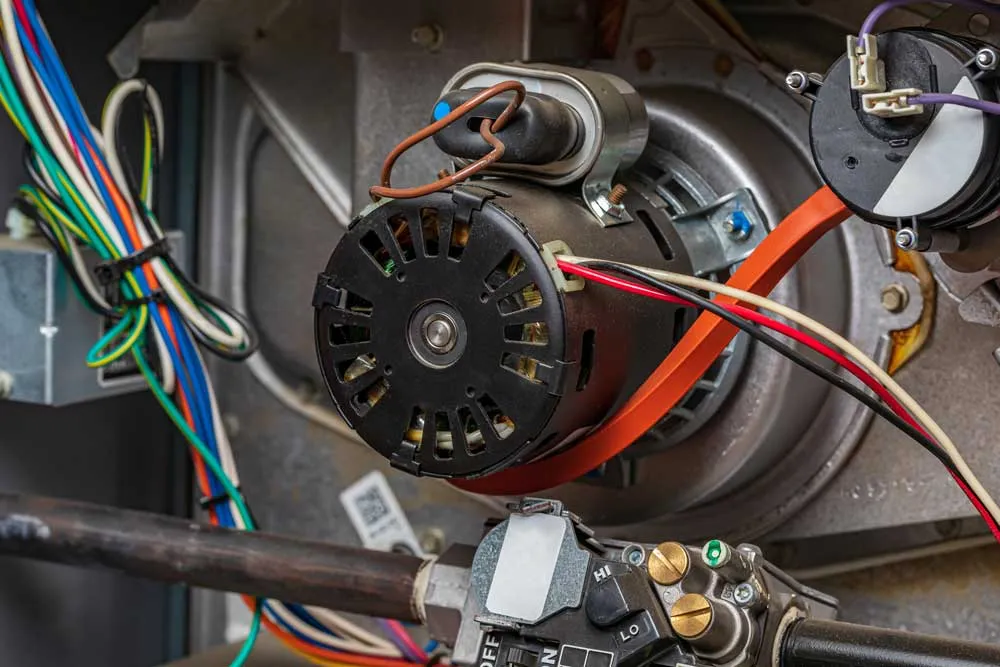
Cedar Grove’s mix of elevation, wind exposure, and decades-old split-level construction calls for technicians who understand what winter does to a furnace under those conditions. J&M Cooling and Heating brings that local knowledge to every visit, so repairs address the actual cause instead of just the symptom in front of us. We also keep things straightforward. Homeowners hear exactly what was found, what was repaired, and what to watch for as the season goes on, without pressure to approve work the system does not need.
Homes on higher ground tend to face colder temperatures and more wind, which can add strain to a heating system over a full winter. It is a good detail to mention to your technician so they know what to check first.
Yes, indirectly. Wind increases heat loss through windows, doors, and duct runs, which means a furnace often has to work harder and longer to keep a home at the same temperature.
This can point to restricted airflow, a duct leak, or a furnace that is undersized for the home’s current heating load. A technician can pinpoint which of these is happening.
Many split-levels were built with ductwork sized for the heating systems of that era. A technician can check whether your current furnace and ductwork are well matched, which affects both comfort and efficiency.
An annual check before winter is a good baseline, and homes on more exposed, higher-elevation lots may benefit from a mid-season check if the system seems to be working harder than usual.